What is the Lymphatic System?
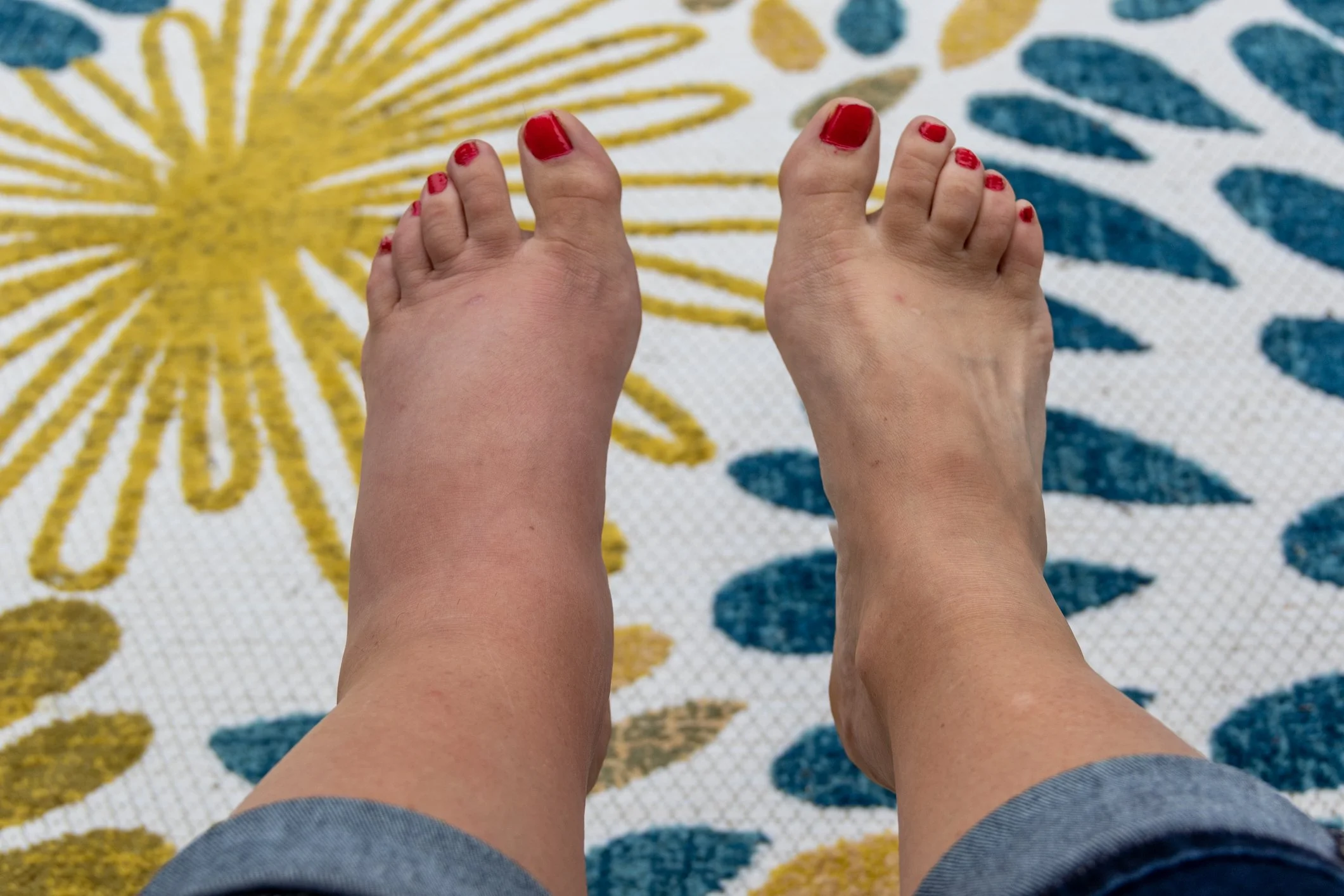
The lymphatic system is a major part of the body’s immune and fluid‑balance network. It collects excess fluid, proteins, and cellular debris from the tissues of the body and carries them through the lymph vessels to the lymph nodes, where the fluid is filtered and processed. After filtration, the cleaned lymph returns to the bloodstream, where the body can naturally eliminate waste through the liver and kidneys. A healthy lymphatic system helps reduce swelling, supports natural detoxification, and plays an important role in wound healing and recovery.
What is Manual Lymphatic Drainage (MLD)?
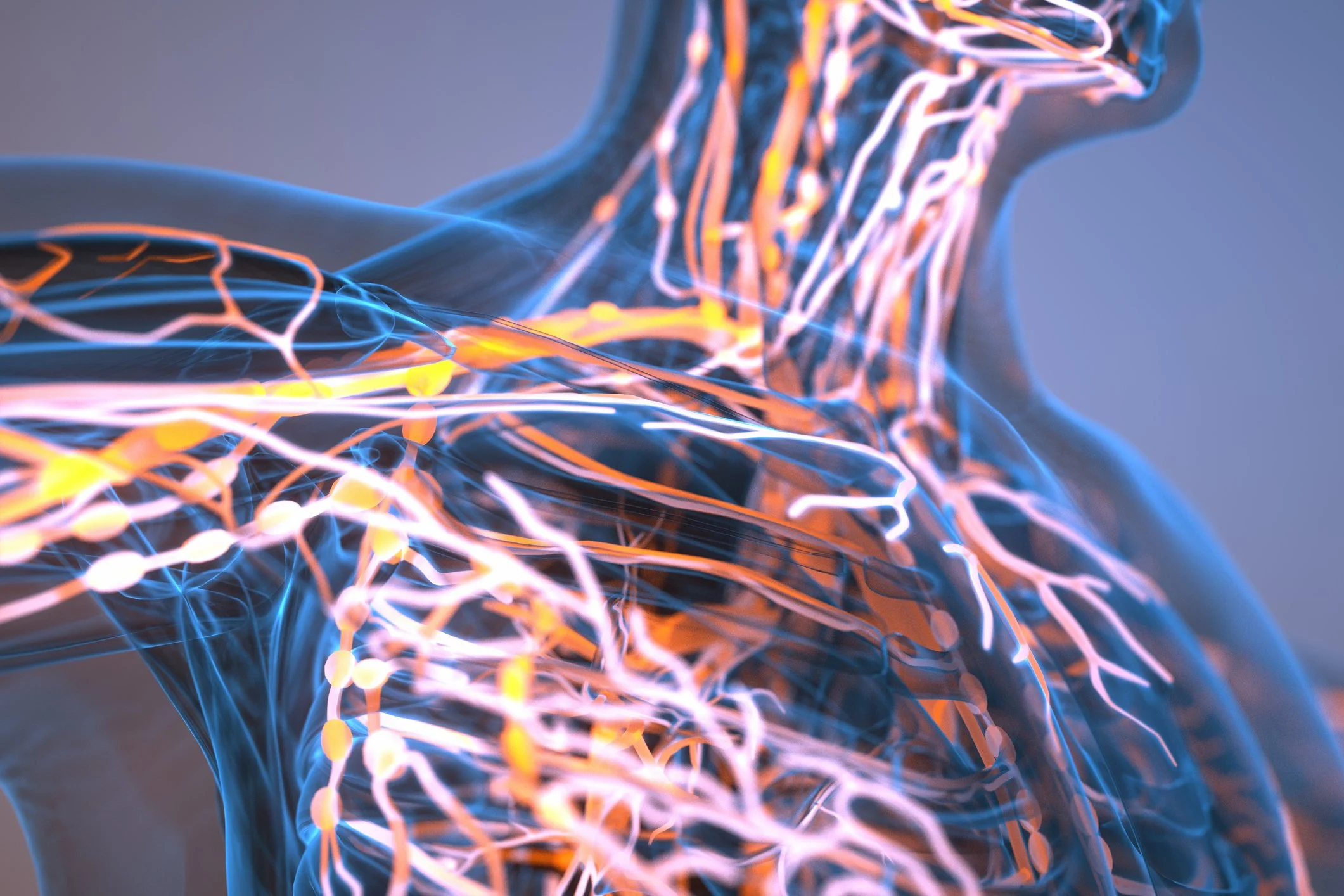
Manual Lymphatic Drainage (MLD), developed by Dr. Emil Vodder, is a gentle, rhythmic technique designed to stimulate the lymph nodes and the body’s main lymphatic pathways using precise, light stretch‑and‑release movements of the skin. These techniques help accelerate the natural rhythm of lymph flow—from its typical 10–12 beats per minute to as many as 100–120—encouraging more efficient movement of fluid, proteins, and immune cells. By enhancing this flow, MLD supports the body’s natural detoxification processes, promotes optimal wound healing, and helps redirect lymph around areas affected by scars, injuries, or surgery. This redirection can prevent fluid stagnation, reduce the risk of tissue hardening or adhesions, and create a healthier environment for recovery.
How Can MLD Help?
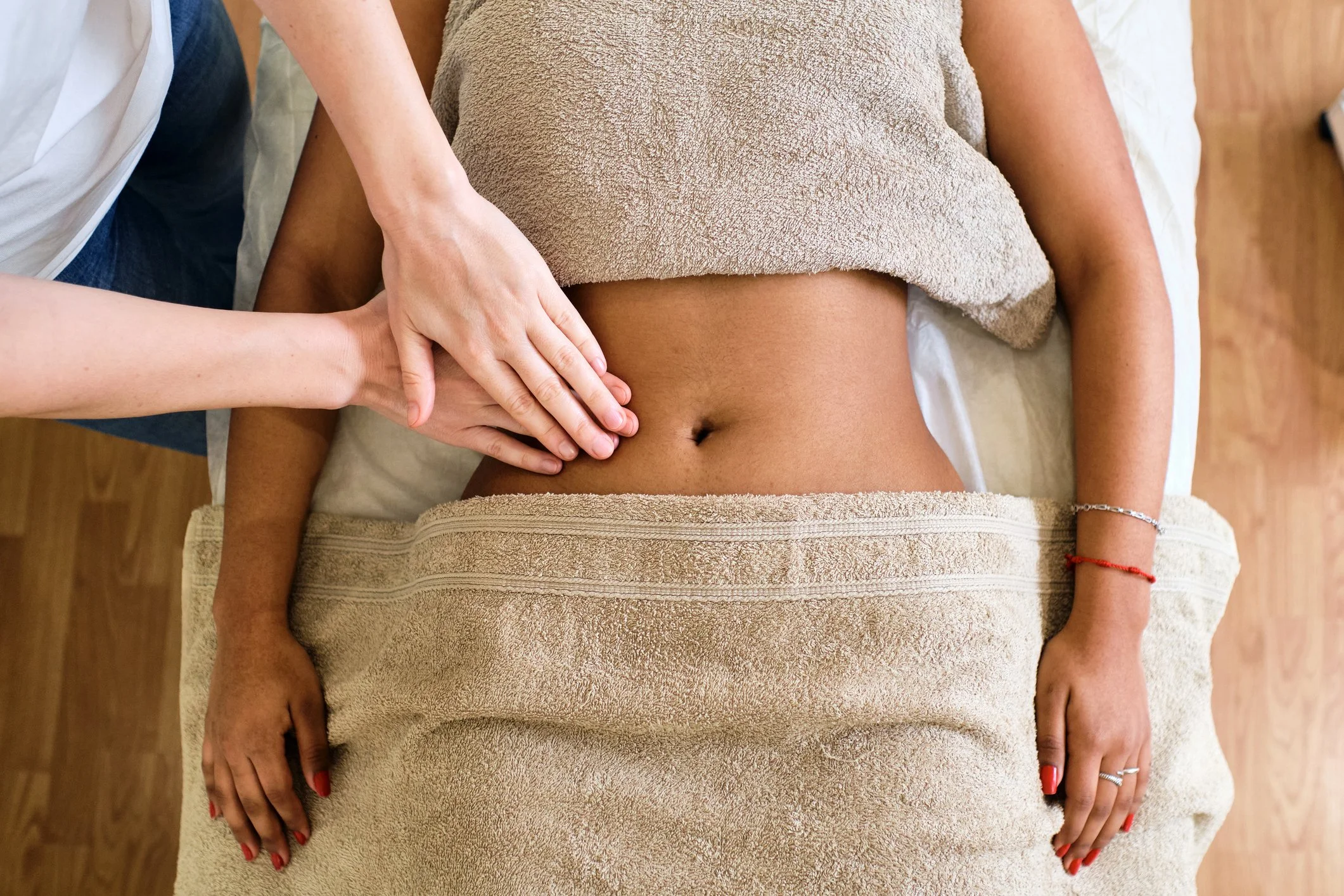
Manual Lymphatic Drainage (MLD) has been shown in studies to support a wide range of concerns related to swelling, inflammation, and tissue healing. It is commonly used for lymphedema, lipedema, and post‑surgical or post‑injury swelling, including cosmetic and orthopedic procedures. Manual Lymphatic Drainage has been shown to help prep the body pre-surgery, to facilitate fast recovery as well. Research also shows benefits for chronic inflammatory conditions such as rheumatoid arthritis and fibromyalgia, as well as issues related to venous congestion, sinus pressure, headaches, and neuropathy‑related swelling. MLD can also help reduce facial puffiness, support immune function, ease fluid retention, and improve recovery after illness or procedures by enhancing lymph flow and reducing tissue stagnation.
Some Considerations Before Receiving MLD
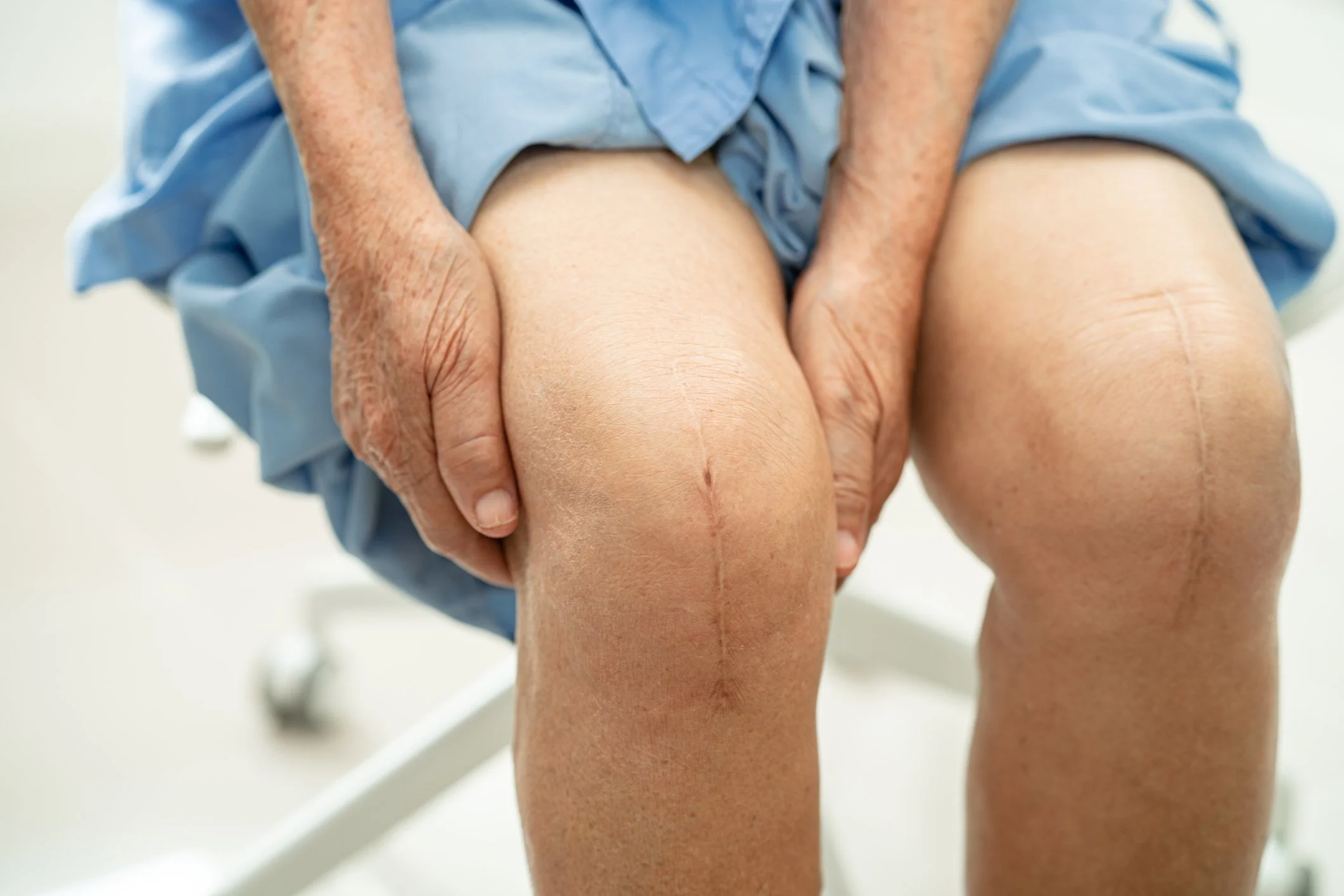
Manual Lymphatic Drainage is a gentle and supportive therapy, but there are important considerations to ensure it is safe and effective. MLD should not be performed on anyone with an active infection, fever, uncontrolled illness, or unexplained pain. Post‑surgical or post‑injury clients must have physician approval before receiving treatment. For surgical recovery, sessions should begin only after at least 72 hours, with medical clearance, no signs of infection, and pain medications managed appropriately; any physician‑provided garments should remain on as directed, and MLD can be performed comfortably over clothing or compression. Clients who cannot lie on their back can be supported with pillows or positioned side‑lying for comfort. MLD is generally considered safe for low‑risk pregnancies without morning sickness, though it is always best to consult a prenatal provider first. It should not be performed over recent injectables such as Botox or fillers, or in situations where movement of the product is contraindicated. Additional contraindications include unmanaged cardiac conditions, active blood clots, kidney failure, or any condition where increased fluid movement may not be appropriate, and clients should always consult their healthcare provider if unsure.